

How to Choose the Right Diesel Generator Size for Your Project
Choosing the right diesel generator size is one of the most important steps before purchasing a generator set. If the generator is too small, it may not be able to support your equipment. If it is too large, fuel consumption and purchase cost may increase unnecessarily.
For industrial, commercial, construction and emergency backup applications, buyers should consider not only the rated power, but also voltage, frequency, starting current, working environment and future power expansion.
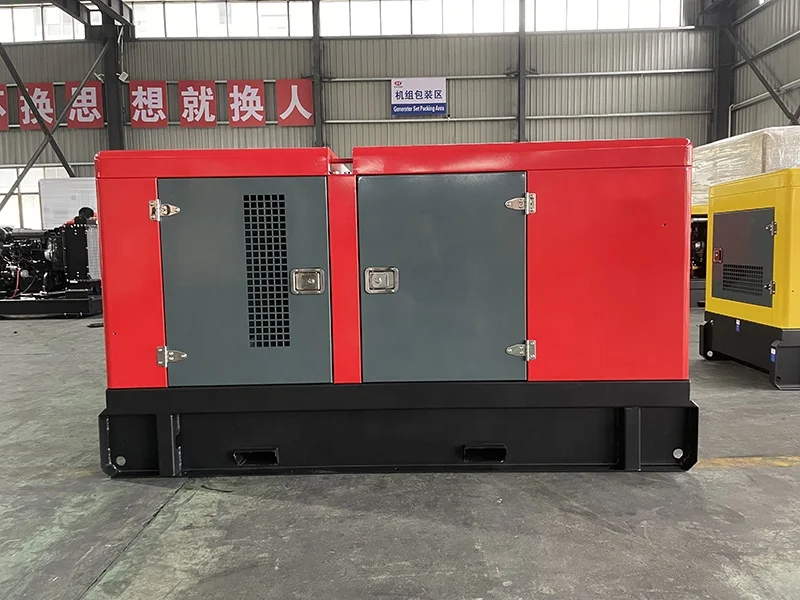
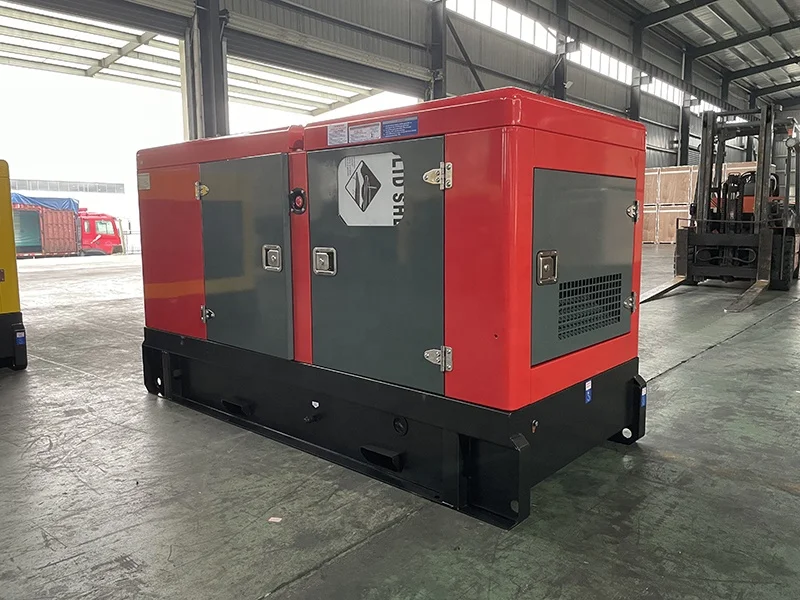
1. Understand Your Power Requirement
The first step is to list all equipment that needs power from the generator.
Common loads include:
- Motors
- Pumps
- Compressors
- Lighting systems
- Welding machines
- Air conditioning systems
- Production machines
- Office equipment
- Emergency backup systems
Each machine usually has a rated power value shown in kW, kVA, HP or amps. You need to calculate the total power demand before selecting a diesel generator.
2. kW and kVA: What Is the Difference?
Many generator buyers see both kW and kVA in product specifications.
kW means real power.
kVA means apparent power.
For most diesel generator sets, the power factor is usually 0.8. That means:
kW = kVA × 0.8
For example:
A 100kVA generator usually provides about 80kW real power.
When choosing a generator, you should confirm whether your required power is calculated in kW or kVA. This helps avoid selecting the wrong model.
3. Consider Motor Starting Current
Some equipment needs much higher power when starting than during normal operation.
For example:
- Water pumps
- Air compressors
- Crushers
- Elevators
- Large motors
These machines may require 2 to 6 times higher starting current. If the generator is selected only according to normal running power, it may fail to start the equipment.
For motor loads, it is better to tell the generator supplier:
- Motor power
- Starting method
- Quantity of motors
- Whether motors start at the same time
- Working voltage and frequency
Then the supplier can recommend a more suitable generator set.
4. Confirm Voltage and Frequency
Different countries and regions use different voltage and frequency standards.
Common options include:
- 220V / 380V, 50Hz
- 230V / 400V, 50Hz
- 240V / 415V, 50Hz
- 120V / 240V, 60Hz
- 277V / 480V, 60Hz
Before ordering a diesel generator, you should confirm the voltage, frequency and phase required by your local market.
Yihua diesel generator sets can be customized according to different voltage and frequency requirements for global applications.
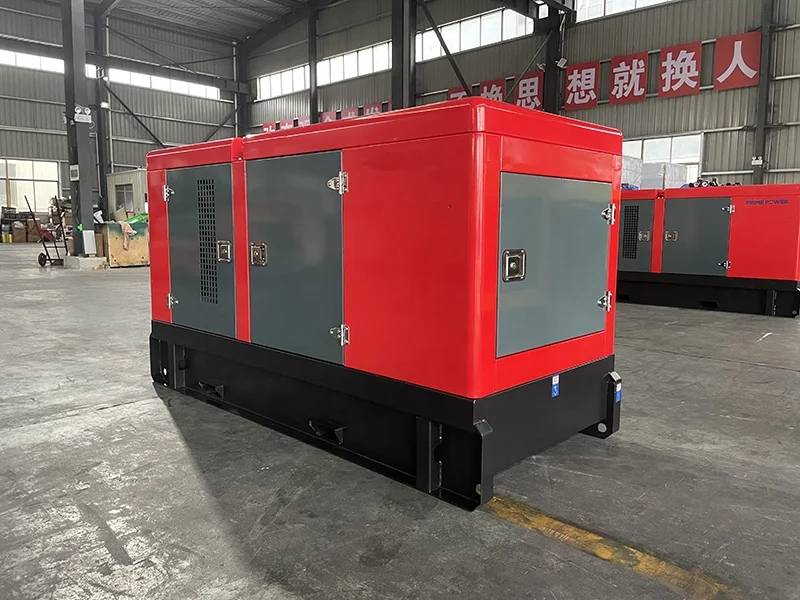
5. Choose the Right Generator Type
Different applications require different generator structures.
Open Type Diesel Generator
Open type generators are suitable for machine rooms, factories and locations where noise control is not the main concern. They are easy to maintain and usually more cost-effective.
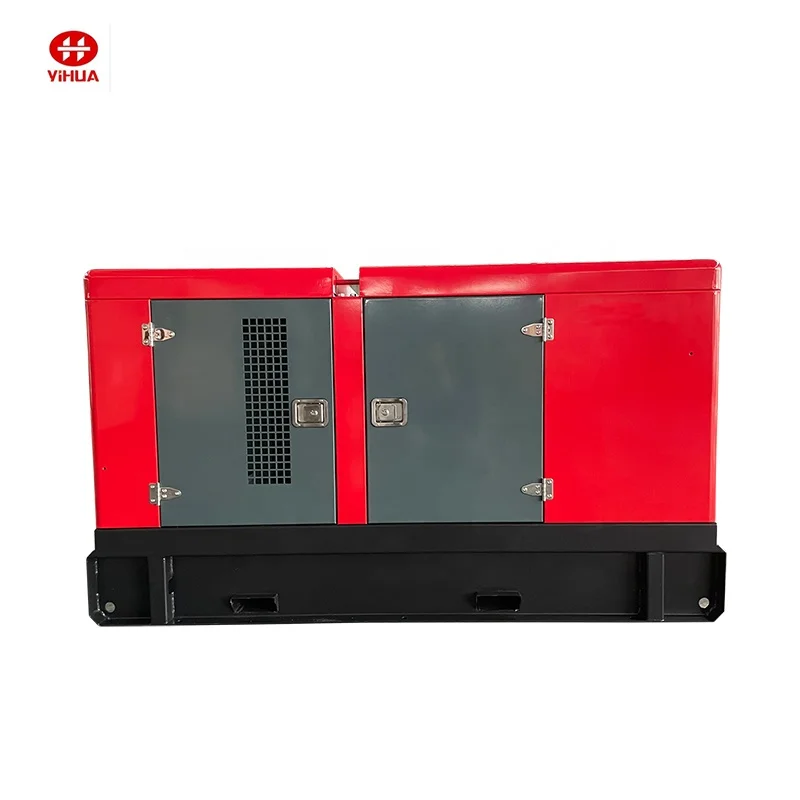
Silent Diesel Generator
Silent diesel generators are equipped with soundproof canopies. They are suitable for hotels, commercial buildings, residential areas, hospitals, farms and outdoor backup power applications.
Trailer Diesel Generator
Trailer generators are suitable for temporary power supply, construction sites, rental business and emergency service.
Container Diesel Generator
Containerized generators are suitable for high-power projects, mining, oilfield, data centers and large industrial applications.
Marine Diesel Generator
Marine generators are designed for ships, offshore platforms and marine power systems.
6. Consider Working Environment
The working environment also affects generator selection.
You should consider:
- Ambient temperature
- Altitude
- Humidity
- Dust level
- Indoor or outdoor installation
- Noise requirements
- Ventilation condition
- Fuel storage condition
For harsh environments, additional options may be needed, such as heavy-duty air filters, anti-rust treatment, rainproof canopy, larger radiator or containerized structure.
7. Keep Future Expansion in Mind
If your project may expand in the future, it is better to reserve some power capacity.
For many projects, a 10% to 20% power margin is useful. However, the generator should not be oversized too much, because very low load operation for a long time may cause carbon buildup and inefficient fuel consumption.
A good generator supplier can help you balance present power demand and future expansion.
8. Information You Should Provide Before Getting a Quote
To recommend the right diesel generator, the supplier usually needs the following information:
- Required power: kW or kVA
- Voltage and frequency
- Single phase or three phase
- Application
- Load type
- Quantity
- Working environment
- Generator type: open, silent, trailer, container or marine
- Engine brand preference
- Destination country or port
The more detailed your information is, the more accurate the quotation will be.
Conclusion
Choosing the right diesel generator size is not only about selecting a power number. It requires considering total load, starting current, voltage, frequency, generator type, environment and future expansion.
Fujian Yihua Electrical Machinery Co., Ltd. provides diesel generator sets, alternators and customized power solutions for industrial, commercial, construction, marine and emergency backup applications.
Need Help Choosing a Diesel Generator?
Send us your required power, voltage, frequency, application and destination country. Our team will recommend a suitable diesel generator solution for your project.
Contact Yihua today to get a customized generator quotation.